Rolex Explorer vs. Explorer II: Two Adventure Watches, Two Very Different Personalities
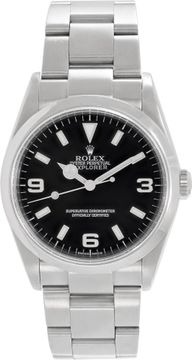
The Rolex Explorer collection has long been associated with adventure, endurance, and purposeful design. While both models share the Explorer name and are built to handle demanding environments, they appeal to different types of watch enthusiasts. The classic Explorer embraces simplicity, while the Explorer II introduces additional functionality for those who need more than just the time. Whether you're comparing them as everyday wearers or considering them as long-term assets, understanding their differences makes choosing between the two much easier. Both models have earned loyal followings over decades thanks to their proven reliability, timeless styling, and ability to perform in a wide range of conditions. Despite their shared heritage, each offers a distinct experience on the wrist, making the decision less about which is better and more about which best suits your lifestyle and preferences.
The Story Behind the Rolex Explorer Collection
The Explorer's heritage traces back to the early 1950s, inspired by mountaineering expeditions and the spirit of exploration. Its design philosophy has always centered around durability, legibility, and reliability rather than unnecessary complications. The original Explorer became famous after the successful ascent of Mount Everest, helping establish its reputation as one of Rolex's purest tool watches. Years later, Rolex expanded the family with the Explorer II, a model created specifically for cave explorers, researchers, and professionals who spend long periods without natural daylight. Although they share DNA, each watch fulfills a different purpose and represents a unique chapter in Rolex history.
Design Philosophy: Simplicity vs. Functionality
At first glance, the differences between these two watches are immediately noticeable. The Explorer features a clean three-hand layout with the signature 3-6-9 Arabic numerals that have become iconic among enthusiasts. Everything about its appearance emphasizes balance, symmetry, and understated elegance. The Explorer II, on the other hand, offers a busier dial thanks to its additional GMT hand, fixed 24-hour bezel, and date window. It feels more technical and purpose-built, making it instantly recognizable as a professional tool watch. While one focuses on minimalist refinement, the other prioritizes practical functionality without sacrificing Rolex's unmistakable design language. These contrasting designs also influence how each watch is perceived, with the Explorer blending effortlessly into almost any setting while the Explorer II makes a bolder statement on the wrist. Regardless of which style you prefer, both models remain unmistakably Rolex through their exceptional craftsmanship and enduring attention to detail.
Case Size and Wrist Presence
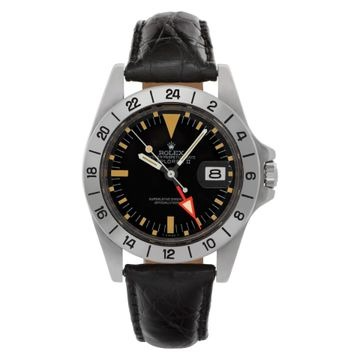
One of the biggest deciding factors for many buyers is size. The modern Explorer measures 36 mm or 40 mm depending on the reference, offering a versatile fit that works comfortably on nearly every wrist. Its slimmer profile allows it to slide easily under a cuff, making it equally appropriate for outdoor adventures and professional settings. The Explorer II takes a different approach with its 42 mm case, creating a noticeably larger wrist presence. The broader bezel, longer hands, and larger dial contribute to exceptional readability while giving the watch a sportier appearance. Those who prefer understated proportions often gravitate toward the Explorer, while buyers wanting a bolder look typically appreciate the Explorer II.
Features That Separate the Two
The biggest technical distinction is functionality. The Explorer offers exactly what many collectors appreciate: hours, minutes, and seconds displayed with exceptional clarity. Its straightforward layout reflects the philosophy that less can often be more. The Explorer II introduces an independently adjustable 24-hour hand paired with a fixed engraved bezel, allowing the wearer to distinguish between day and night or track a second time zone. This feature was originally intended for explorers spending extended periods underground or in polar regions where daylight is limited, but today it has become equally valuable for travelers and professionals who regularly communicate across multiple time zones.
Movement and Everyday Performance
Both watches benefit from modern Rolex engineering and are powered by highly reliable automatic movements designed for long-term precision and durability. The Explorer uses the caliber 3230, while the Explorer II is equipped with the caliber 3285, which incorporates the additional GMT function without sacrificing performance. Both feature Rolex's Chronergy escapement, Parachrom hairspring, and approximately 70 hours of power reserve, making either watch an excellent daily companion. Whether worn every day or rotated with other pieces, each delivers the dependable performance that has made Rolex a benchmark in mechanical watchmaking.
Which Watch Fits Your Lifestyle?
Choosing between the Explorer and Explorer II often comes down to how you plan to wear it. The Explorer is ideal for someone who appreciates timeless proportions, understated styling, and a watch that seamlessly transitions from casual to formal settings. Its versatility has made it one of the most respected everyday watches ever produced. The Explorer II caters to those who value additional functionality, enjoy larger sports watches, or frequently travel between time zones. Its distinctive orange GMT hand and fixed 24-hour bezel also give it a more recognizable personality, appealing to enthusiasts who want something slightly less common than many other Rolex sports models. Comfort on the wrist, preferred case size, and the need for a GMT function are all important factors that can help narrow down the decision. No matter which model you choose, both deliver the durability
Collectability and Long-Term Appeal
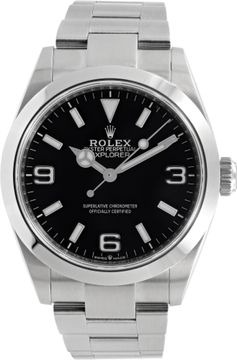
Both models have developed loyal followings among collectors, although they appeal to different audiences. Vintage Explorers are admired for their historical significance and clean aesthetic, while early Explorer II references have become increasingly sought after because of their unique designs and lower production numbers. Modern examples continue to hold strong interest thanks to Rolex's consistent production quality and enduring popularity. Whether purchased to wear regularly or added as part of a growing collection, both models represent durable luxury timepieces that have maintained their desirability across generations.
Value in the Pre-Owned Market
Shopping the preowned watches market gives buyers access to a wide variety of Explorer and Explorer II references, including discontinued models that are no longer available through authorized retailers. Many enthusiasts specifically seek Rolex preowned watches because they offer the opportunity to compare different case sizes, dial variations, and production eras in one place. Whether you're searching for a classic Rolex Explorer or a feature-rich Explorer II, purchasing pre-owned allows collectors to find the reference that best suits their preferences while often avoiding lengthy waitlists associated with new models.
Final Thoughts
Although they share the same adventurous heritage, the Rolex Explorer and Explorer II serve different purposes. The Explorer remains one of the finest examples of a simple, highly capable sports watch, offering timeless styling and effortless versatility. The Explorer II builds upon that foundation by adding practical complications that make it especially useful for travelers and professionals who appreciate additional functionality. Neither is objectively better than the other—they simply reflect two different interpretations of what an adventure watch should be. The right choice ultimately depends on whether you value elegant simplicity or enhanced utility, but either model stands as an outstanding example of Rolex's commitment to reliability, durability, and enduring design.
Where to Sell your Rolex Watch
If you're interested in selling, consigning, or trading in any of your luxury pieces, our online buying platform, SellUsYourJewelry, is here to help. As a reputable buyer of fine jewelry and high-end watches, we provide a seamless, transparent, and fair process to sell any of your pieces. Visit our website or reach out today to discover how you can confidently sell your luxury piece, including unique models with 42mm cases. Sell online or in-person at Gray and Sons Jewelers, where we offer a variety of stainless steel timepieces. We strive to offer the highest prices.
Important Disclosures: Gray & Sons is not a financial advisor. The information provided in this article is for informational and educational purposes only and should not be considered financial, investment, tax, or legal advice. The luxury watch, jewelry, and precious metals markets can be volatile and are subject to fluctuation based on a variety of factors. Past performance does not guarantee future results. Anyone considering buying, selling, trading, or investing in luxury watches, jewelry, or precious metals should conduct independent research and consult with a qualified professional before making any financial decisions. All purchases and investments are made at the individual's own risk.
Exceptional Pre-Owned Rolex, Patek Philippe, and Cartier New Arrivals – August 6, 2026
NEXT ARTICLE
Pre-Owned Omega Speedmaster Professional Moonwatch Collections for Late Summer 2026 Enthusiasts in South Florida


